

Why Is Summer Camp a High-Risk Setting for Head Lice?
Summer camps combine virtually every known risk factor for lice transmission into a single concentrated residential environment. The CDC identifies direct head-to-head contact as the primary transmission method, and camp life delivers this type of close contact in abundance throughout every waking and sleeping hour. Bunk beds positioned inches apart, campfire circles where children lean against each other, group games requiring physical contact, and shared changing areas for swimming all create dozens of daily transmission opportunities that simply do not exist in the same concentration at home or in a typical school classroom setting.
For Chester County families sending children to day camps near West Chester and Downingtown or to residential camps across Pennsylvania and beyond, thorough preparation before the camp session begins is important.
The CDC estimates that 6 to 12 million children ages 3 to 11 contract head lice annually across the United States. Summer months do not bring any break from lice activity or transmission. Instead, summer shifts the primary transmission venue from school classrooms and playgrounds to camp cabins, activity areas, and dining halls, often increasing exposure intensity for the duration of each camp session because children live together continuously rather than separating at the end of each school day.
Overnight camps present particularly elevated risk compared to day programs.
How Can Parents Prepare Their Children Before Camp Departure?
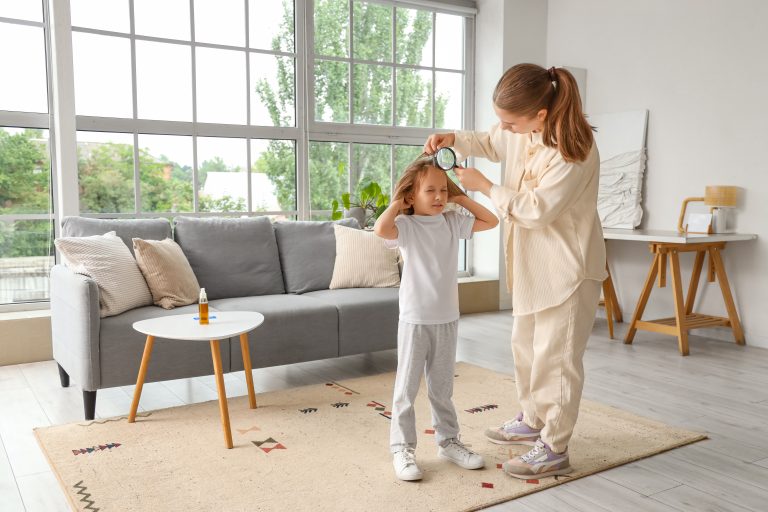
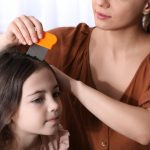
Effective preparation starts well before the camp bus departs. We recommend a thorough comprehensive head screening of every child attending camp within one week of departure day. Using a fine-toothed metal nit comb on wet conditioned hair is a good way to screen. Discovering and treating an existing lice case before your child leaves home is far simpler, less stressful, and more manageable than attempting to deal with it remotely from a hotel room, rental property, or through camp health staff communications while your child is hours away.
Strategic packing makes a meaningful difference in lice risk reduction throughout the camp experience. Every camper should have their own personal pillow and sleeping bag to completely avoid using shared camp bedding. Include a clearly labeled metal nit comb, sufficient hair ties for daily braiding of long hair, and a natural repellent spray in the toiletry bag. Lice prevention products containing rosemary or tea tree essential oil are sometimes used as an added step, although they have not been proven to prevent lice.
Education is the third critical preparation element beyond screening and packing. Teach your child age-appropriate information about avoiding head-to-head contact during activities and never sharing hats, helmets, headphones, brushes, or hair accessories with cabin mates. Families in Exton and Malvern can frame these prevention habits as smart hygiene practices rather than fear-based restrictions, keeping the conversation positive, age-appropriate, and completely free of the stigma that sometimes surrounds lice discussions among children and teens.
Hair Preparation Tips for Camp
Long hair should be braided or secured in a tight bun for the entire duration of camp, including during sleep, swimming, and all activities. Braided hairstyles keep hair contained and close to the head, making this a simple prevention measure. Applying a light leave-in conditioner containing a small percentage of tea tree oil each morning is a low-effort step some families add for campers of any age, although it has not been proven to prevent lice.
What to Include in a Camp Lice Prevention Kit
A complete camp-ready lice prevention kit should contain a quality metal nit comb stored in a protective case, rosemary or tea tree oil repellent spray in a leak-proof travel bottle, extra hair ties and clips in a labeled bag, a personal distinctively colored pillowcase that your child can easily identify, and a zip-lock bag for sanitary storage of the nit comb between uses. Label every single item with your childs full name using permanent marker to prevent accidental sharing or mix-ups in communal cabin storage areas.
What Should Parents Do When Their Child Returns from Camp?
The 24 to 48-hour window immediately after camp return represents the most critical screening opportunity for detecting camp-acquired lice before they can establish and spread through the household. Lice acquired during the final days of a camp session may not yet produce any itching symptoms because the AAP documents that the allergic response causing itching can take 4 to 6 weeks to fully develop after initial infestation in individuals without prior lice sensitization.
Performing a thorough head check for lice within 24 hours of camp pickup is essential. Adult lice are small, remarkably fast-moving, and strongly light-averse, making them extremely difficult to spot with the naked eye without the systematic wet-combing technique that traps them between comb teeth for identification on a white surface.
Immediately wash all camp clothing and bedding in water heated above 130 degrees Fahrenheit regardless of whether lice are found during screening. Items that cannot be machine washed, such as sleeping bags, stuffed animals brought to camp, or bulky sweatshirts, should be sealed in a plastic bag. Lice die without a blood meal, which makes the sealed bag method effective for non-washable items without chemical treatment.
How Should Summer Camps Handle Lice Outbreaks?
Summer camps should adopt a no-exclusion policy for head lice, consistent with the AAP guidance for schools. Children should not be sent home early, isolated from cabin mates, or excluded from scheduled activities solely because of a lice diagnosis. Instead, camps with evidence-based health protocols should implement immediate systematic screening of all bunkmates and identified close contacts, begin treatment with an effective product within 24 hours of confirmed diagnosis, conduct nightly head checks for all potentially exposed campers for the remainder of the session, and notify parents promptly with clear factual information and specific guidance on what steps the camp is taking.
Professional training and proper screening technique can make a difference in outbreak containment speed and total case counts.
Chester County families can and should ask prospective camps about their specific lice prevention and response protocols during the enrollment process. Camps near Phoenixville, Coatesville, and throughout the region that proactively address lice with evidence-based written policies are better equipped to protect all enrolled campers and contain any outbreaks quickly before they affect large numbers of children.
Communication With Other Camp Families
When a lice case is identified at camp, transparent communication between camp administration and all camp families prevents panic and promotes timely screening at home. Notification letters should be factual and educational, avoid identifying the affected child by name or cabin, and include clear practical guidance on home screening procedures and next steps. Stigma-free communication grounded in medical facts leads to faster voluntary screening by families, earlier detection of secondary cases, and more effective community-wide containment of the outbreak.
Post-Camp Follow-Up Screening
Even if your childs initial post-camp screening comes back completely clear, we suggest conducting a thorough follow-up screening check 7 to 10 days later. This second check closes the detection gap on any late-developing infestations from nits that may have been present but too small to detect during the initial screening, and that subsequently hatched during the intervening week. This two-stage screening protocol provides the highest possible confidence that your child returned from camp lice-free.
When Should Chester County Families Seek Professional Help After Camp?
If you find live lice or viable nits during any post-camp screening, professional lice treatment offers the fastest and most reliable resolution available. Over-the-counter permethrin products can fail where lice have become resistant. Starting treatment with a product that is unlikely to work against resistant lice strains adds more days of continued infestation to the resolution timeline, during which time the lice population continues growing and household spread becomes increasingly likely.
Lice Lifters of Chester County provides single-visit enzyme-based professional treatment that eliminates both adult lice and cemented nits in approximately one hour per person. For families returning from camp with multiple children who may be affected, the clinic can screen and treat the entire family in one consolidated appointment, preventing any cross-household spread during the post-camp transition.
Families across West Chester, Downingtown, Exton, Malvern, Phoenixville, and Coatesville trust Lice Lifters of Chester County for reliable post-camp peace of mind year after year. Every treatment comes with our 30-day guarantee. Do not let camp-acquired lice disrupt the rest of your familys summer plans or allow an infestation to quietly spread through the household during the busy back-to-school preparation period.
Frequently Asked Questions
Is summer camp a high-risk environment for head lice?
Yes. Shared sleeping quarters, group activities, and exchanged personal items make camps ideal for lice transmission.
Should I treat my child preventively for lice before camp?
Preventive chemical treatment is not recommended by the AAP. Instead, screen your child before departure, apply a rosemary oil deterrent spray, braid long hair, and pack personal bedding and labeled hair accessories to minimize risk.
What should I pack to help prevent lice at camp?
A personal pillow and sleeping bag, a metal nit comb, tea tree or rosemary oil spray, extra hair ties for daily braiding, and clearly labeled personal hair accessories. Remind your child never to share headwear or brushes.
How do I check for lice when my child returns from camp?
Wet the hair thoroughly, apply conditioner, and comb systematically with a fine-toothed metal nit comb while wiping onto a white paper towel after each stroke. Focus on the nape of the neck and behind the ears. Check within 24 hours of return.
Can camps legally send my child home for having lice?
Policies vary by camp. The AAP recommends against excluding children from group activities solely for head lice. However, private camps may maintain their own health policies. Review the camp health handbook before enrollment.
What should I do if my child gets lice at camp?
Contact camp health staff for immediate guidance. Upon return home, schedule a professional screening and treat all confirmed cases promptly. Screen siblings and household members within 48 hours to prevent household spread.