
When one child in a household is diagnosed with head lice, comprehensive whole-family screening is an essential first step for any Chester County household confronting a lice discovery.
Why Does the Whole Family Need a Head Check?
Lice infestations are rarely isolated events affecting only the initially diagnosed individual. The CDC notes that itching, the most recognizable symptom that prompts families to check for lice, may not begin until 4 to 6 weeks after initial infestation because the allergic reaction to louse saliva takes time to develop, which means family members can carry active infestations and spread lice to others for weeks without experiencing any noticeable symptoms.
In Chester County households from West Chester to Downingtown, the close family interactions that make home life warm and connected also create constant opportunities for lice to transfer between family members. Reading bedtime stories with heads touching, watching television together on a shared couch, family hugs and greetings, sharing throw pillows, and carpooling with children seated closely together all involve the kind of head proximity that lice need to crawl successfully between hosts during routine daily activities.
The question of whether adults can get head lice is one parents frequently ask, and the clinical answer is unequivocally yes. While children ages 3 to 11 get head lice most often, with the CDC estimating 6 to 12 million infestations a year among them, parents and older siblings are fully susceptible through the daily close physical contact that characterizes normal family life with infested household members. Dismissing the possibility that parents or teens in the home could also be affected is one of the most common mistakes families make when responding to an initial lice discovery.
This cycle of treat-one-reinfest-from-another drives enormous frustration and unnecessary expense for families who could have broken the cycle with a single comprehensive family screening at the outset.
How Should Families Approach Lice Screening at Home?
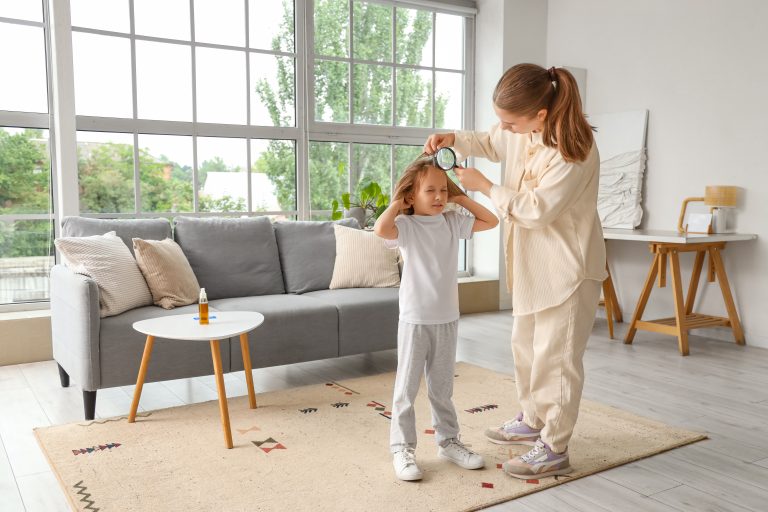
Effective home screening requires the right tools and proper technique to achieve reliable detection results. Use a fine-toothed nit comb to catch even the smallest nits and nymphs. A sturdy metal nit comb is a good choice for home screening.
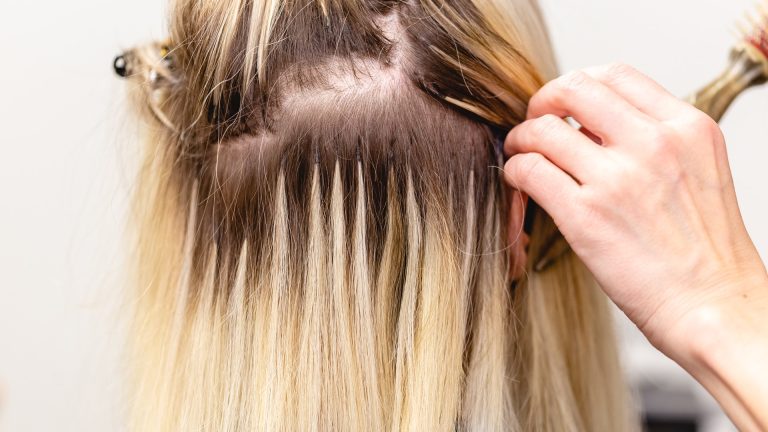
The proper screening process involves thoroughly wetting the hair to slow lice movement and make them easier to capture, applying a generous amount of conditioner to reduce friction and facilitate smooth combing, working systematically section by section from the scalp outward through the full length of hair, and wiping the comb onto a white paper towel or cloth after each stroke to inspect for captured lice and nits against the contrasting background. Focus particular attention on the nape of the neck and behind the ears, the two areas where lice congregate most densely due to favorable warmth and moisture conditions close to the skin.
Families in Exton and Malvern should check for lice on every household member within 48 hours of discovering a case in any family member. Missing even one infested person who is not yet symptomatic completely restarts the active transmission cycle within the household and undermines the treatment effectiveness for everyone else who was properly treated, wasting both money and effort.
When Symptoms Are Absent
Never rely on itching as a screening criterion to determine who needs to be checked. The AAP notes that it may take 4 to 6 weeks after lice arrive before itching starts, because the allergic sensitization process is gradual. Systematic visual screening with a quality metal nit comb on wet conditioned hair remains the only reliable detection method for identifying asymptomatic family members who are carrying active infestations without any outward signs.
What Is the Best Strategy for Treating the Whole Family?
The single most critical rule for successful family lice treatment is simultaneous treatment of all confirmed positive cases on the same day. If one child is treated on Monday and a sibling is treated on Wednesday, the Monday child can be reinfested by Tuesday night through continued normal household contact with the still-infested sibling. The CDC explicitly recommends treating all confirmed positive household cases on the same day to completely break the active transmission cycle within the home in one decisive action.
Professional clinic treatment makes simultaneous family treatment practically achievable. At Lice Lifters of Chester County, multiple family members can be screened and treated during the same appointment block. The enzyme-based treatment resolves each individual case in about one hour, meaning a family of four can be completely and verifiably lice-free by the end of a single afternoon appointment without the logistical complexity of coordinating multiple treatment days.
For families attempting home treatment with OTC products, the coordination challenge is significantly more demanding. Over-the-counter products require a first application followed by a mandatory second application 7 to 9 days later to address hatching nits, plus daily nit combing sessions between treatments. Managing this intensive multi-week schedule simultaneously for multiple family members while preventing cross-contamination between treated and not-yet-retreated individuals demands careful logistical planning that many busy Chester County families find overwhelming on top of their normal daily responsibilities.
The professional single-visit alternative at Lice Lifters of Chester County can achieve household-wide eradication in approximately 4 hours total for a family of four, completed in a single afternoon with no follow-up applications required.
How Do You Prevent Lice from Spreading During the Treatment Period?
Between the moment of initial discovery and completion of treatment for all affected members, specific containment measures significantly reduce additional household spread. Several practical steps can be implemented immediately. First and most importantly, avoid all direct head-to-head contact between family members including during normal affectionate interactions. Second, assign separate beds and individual pillows for each person in the household. Third, strictly do not share brushes, combs, hats, helmets, hair accessories, or towels between any family members. Fourth, wash all bedding and recently worn clothing that contacts the head in water heated above 130 degrees Fahrenheit.
The CDC explicitly states that household fumigation with insecticide sprays is unnecessary and may expose the family to harmful chemical compounds. The CDC says to seal items that cannot be washed or dry cleaned, like decorative pillows or stuffed animals, in a plastic bag for two weeks.
Managing a household lice outbreak is undeniably stressful for parents and children alike, but families in Phoenixville and Coatesville can take genuine comfort in knowing that lice do not actually infest the home itself. They infest people exclusively. When every infested person in the household receives effective treatment, the household transmission problem is definitively solved and cannot continue.
Laundry and Environmental Cleanup
Focus environmental cleaning efforts on items that have had direct contact with the head within the past two days only. That targeted list includes pillowcases, bed sheets, recently worn hats and scarves, coat hoods, and hair accessories. Vacuum upholstered furniture surfaces and car seat headrests where heads have rested recently. For non-washable items, the CDC says to seal them in a plastic bag and store them for two weeks.
Preventing Reinfestation After Treatment
We recommend a thorough follow-up head check for all treated family members 7 to 10 days after treatment to catch any nits that may have survived the initial treatment and subsequently hatched. Families who choose Lice Lifters of Chester County for their treatment benefit from a 30-day guarantee. This guarantee gives families across West Chester, Downingtown, Exton, Malvern, Phoenixville, and Coatesville lasting confidence that the problem is truly resolved.
Frequently Asked Questions
Should the whole family get checked for lice?
Yes. Household members who are in close daily contact with an infested person can also have lice. A full family screening prevents missed cases that restart the infestation cycle after treatment.
Can parents get lice from their children?
Absolutely. The CDC confirms adults are fully susceptible to head lice through direct head-to-head contact with an infested individual. Parents who help with homework, read bedtime stories, or share a couch are at meaningful risk.
Do all family members need treatment if one person has lice?
Only members with confirmed live lice or viable nits need active treatment. However, all household members should be thoroughly screened. We recommend checking everyone within 48 hours of discovering a case.
How do you prevent lice from spreading within a family?
Avoid head-to-head contact between members, do not share brushes or hair accessories, wash bedding in hot water above 130 degrees Fahrenheit, and treat all confirmed cases simultaneously on the same day.
Can lice spread through shared beds?
Yes. The CDC says lice that are off a person die within two days. Sharing a bed with an infested person provides prolonged close contact opportunity. Family members should sleep separately until all treatment is complete.
How quickly should the family be treated after discovering lice?
Same day is ideal for best containment results. Every day of delay increases household spread risk significantly. Lice Lifters of Chester County offers same-day family appointments to treat all confirmed cases together.