For families in West Chester, Downingtown, and Chester County, understanding the unique challenges that hair texture presents is essential for achieving complete lice elimination on the first attempt.
Why Is Lice Treatment More Challenging for Long, Thick, or Curly Hair?
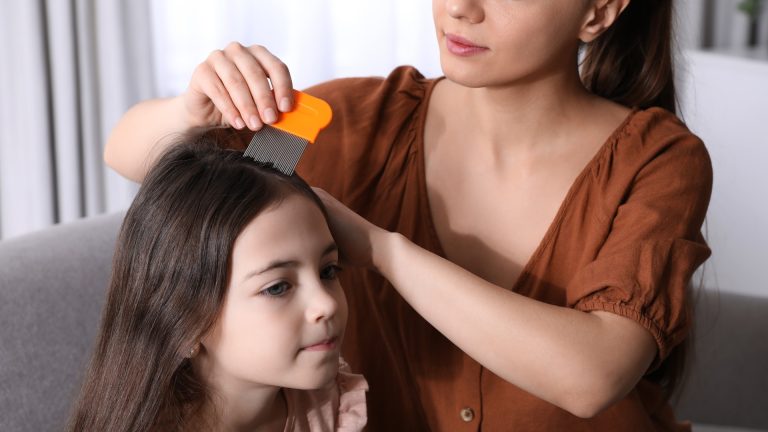
Head lice lay their eggs close to the scalp, cementing each nit to an individual hair strand with a protein-based glue that is remarkably strong. In straight, fine hair, a nit comb can reach the scalp and glide smoothly to the tip with minimal resistance. In thick, curly, or coily hair textures, the comb encounters more resistance, tangles, and irregular curl patterns that create hiding spots for both live lice and nits. Thorough combing is the cornerstone of successful treatment, making hair texture a critical factor in treatment planning and time estimation.
Dense hair also presents challenges for product distribution. OTC lice treatments require thorough saturation of every strand from root to tip, and thick hair makes it difficult to confirm that the product has reached all areas of the scalp. Incomplete product coverage can contribute to treatment failure in patients with dense hair, independent of the resistance issue that already compromises OTC products.
Common Mistakes Parents Make With Textured Hair
Many Chester County parents attempt to comb through thick or curly hair without adequate sectioning or conditioner, leading to broken hair, pain for the child, and missed nits that restart the infestation cycle within days. Applying a generous amount of conditioner to wet hair before combing lubricates the strands and slows lice movement. Skipping this step in textured hair dramatically increases the failure rate and makes the experience unpleasant enough that children resist future combing sessions. Another common error is using plastic nit combs, which flex under the tension of thick hair and allow nits to pass through untouched.
Why Over-the-Counter Products Are Especially Unreliable for Thick Hair
OTC lice treatments require thorough saturation of the hair and scalp to be effective. In thick or dense hair, achieving full coverage is difficult even with careful application. Inadequate product distribution is a common cause of treatment failure, compounding the failure that can result from permethrin resistance. For families in Exton, Malvern, and Coatesville, this double challenge of resistance plus incomplete coverage makes professional treatment particularly valuable for thicker hair types where DIY approaches face the steepest odds.
What Is the Best Treatment Approach for Long or Thick Hair?
Professional treatment at Lice Lifters of Chester County is specifically designed to handle all hair types and lengths effectively. Our trained technicians section the hair into small, manageable segments and apply enzyme-based products that dissolve the nit glue and break down the louse exoskeleton through physical rather than chemical mechanisms. This approach bypasses both genetic resistance and coverage issues that undermine OTC products in thick hair, because the enzyme solution is applied section by section under direct observation to ensure every area of the scalp receives thorough treatment.
Treatment for long hair should follow these principles: thorough product application section by section with visual confirmation of coverage, extended combing time with a quality metal nit comb, and repeat checking to ensure no nits remain in hard-to-reach areas near the nape of the neck and behind the ears. Our technicians spend more time on long or thick hair, compared to about an hour for shorter hair, ensuring every strand is checked and every nit is removed. Learn more about our enzyme-based treatment process.
How Should You Section and Comb Curly or Coily Hair for Nit Removal?
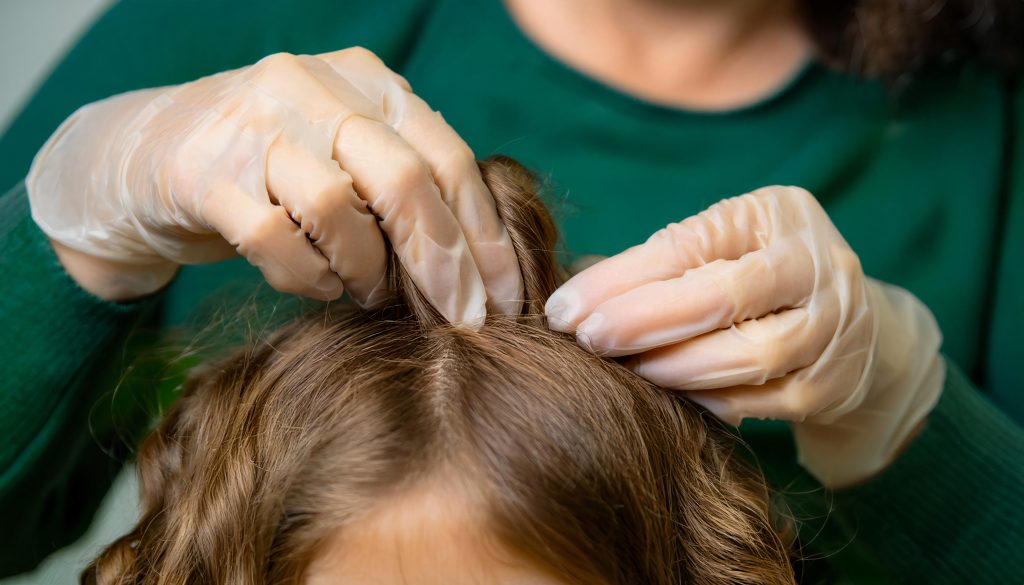
The key to effective nit removal in curly hair is small sections and patience. Divide hair into sections no wider than the nit comb itself (approximately one inch). Clip remaining hair securely out of the way so it does not interfere with the section being combed. Start at the nape of the neck and work upward, as this area is where lice most commonly lay eggs because it provides the warmth they need for incubation. Pull the comb slowly from root to tip, following the natural curl pattern rather than fighting against it, which minimizes breakage and discomfort.
Tips From Professional Lice Technicians
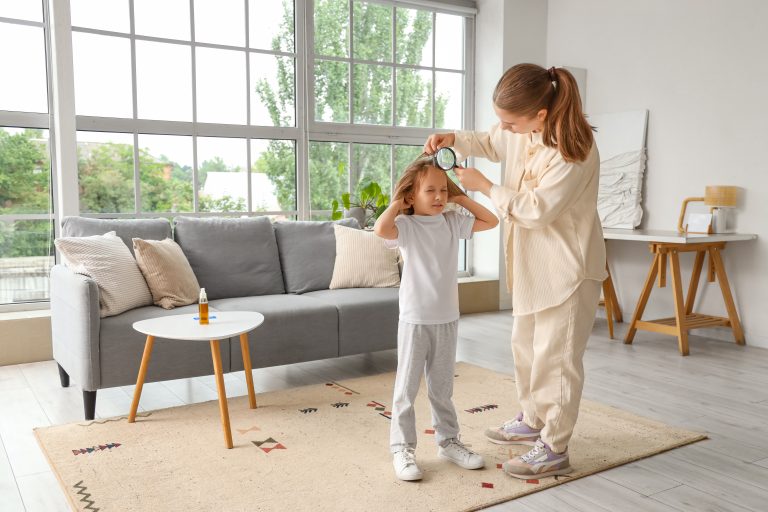
After years of treating Chester County families with every hair type imaginable, our Lice Lifters of Chester County technicians recommend these evidence-based techniques for effective nit removal in textured hair. Apply conditioner heavily, focusing on the root area where nits attach. Use a detangling spray between the initial conditioner application and nit combing to further reduce friction. Work under a magnifying lamp for enhanced visibility into dense hair where nits can hide between strands. Wipe the comb after every single pass on a white paper towel to check for captured lice and nits, and inspect what you find under good light. Re-comb each section twice from different angles to catch nits that may have been missed on the first pass. This extra step is particularly important for thick and curly hair.
Does Hair Length or Texture Affect Lice Transmission Risk?
Children with long hair may have a slightly higher risk of acquiring lice because there is more surface area for a crawling louse to grab onto during head-to-head contact. Long, loose hair is more likely to come into contact with another person’s hair during play, hugging, selfies, and other close-proximity activities. However, no hair type is immune to lice. Lice infest all ethnic backgrounds and hair textures, though prevalence rates vary across populations. Regardless of texture, families in Phoenixville, West Chester, and Downingtown should practice routine head checks year-round.
For prevention, keep long hair tied back in braids, buns, or ponytails during school and group activities to reduce the exposed surface area that lice can access. A prevention spray with natural repellent ingredients such as rosemary, peppermint, or tea tree oil can provide an additional protective layer for children with long hair who participate in close-contact activities like sports, dance, and theater.
What Aftercare Is Needed for Long or Thick Hair After Lice Treatment?
Post-treatment monitoring is especially important for thick or curly hair because nits can be harder to spot during the initial treatment, even for experienced technicians. Lice Lifters of Chester County schedules a recheck appointment 7 to 10 days after treatment to catch any nits that may have been missed in dense hair and to confirm complete elimination before closing the case. We recommend daily combing at home for the first week after treatment using a fine-toothed metal nit comb on wet, conditioned hair, followed by checks every two to three days for an additional week.
Deep conditioning after treatment helps restore moisture and manageability to hair that has been thoroughly combed, making follow-up combing sessions easier and less time-consuming. Avoid heavy styling products like gel, mousse, or hair spray for the first week, as they can coat nits and make them harder to spot and comb through during follow-up sessions. Diligent follow-up combing is the single most important factor in preventing re-infestation from missed nits, particularly for families managing long or textured hair in Chester County. Establishing a regular combing routine during the post-treatment period ensures that any surviving nit is caught before it can hatch and restart the infestation cycle.
Frequently Asked Questions
Should I cut my child’s hair to make lice treatment easier?
Cutting hair is not necessary for effective treatment. Professional lice treatment works on all hair lengths and types. While shorter hair does reduce combing time, the emotional impact of an unwanted haircut on a child who is already stressed about lice often outweighs any practical benefit. Professional technicians are trained to manage hair of any length.
Does hair dye or chemical straightening kill lice?
There is no clinical evidence that hair dye, bleach, or chemical straightening treatments reliably kill lice or nits. While some harsh chemicals may kill some live lice on contact, they will not dissolve the cement holding nits to the hair shaft, meaning the infestation will continue when surviving eggs hatch.
How do I prevent lice in long hair?
Wear hair up in braids, buns, or ponytails during school and close-contact activities to reduce the surface area available for lice to grab. Avoid sharing brushes, hats, helmets, and hair accessories. Prevention sprays with natural repellent ingredients offer an additional layer of protection when used consistently as part of a daily routine.
Is professional treatment more effective than home treatment for thick hair?
Yes. Professional technicians are trained to work through dense hair systematically, using proper sectioning techniques, professional-grade stainless steel combs, and magnification lighting.
Can I use a regular brush instead of a nit comb on curly hair?
No. Regular brushes, paddle brushes, and wide-toothed combs cannot remove nits because their teeth or bristles are too far apart to capture the small, firmly attached eggs. Only fine-toothed metal nit combs are effective for nit removal, regardless of hair type or texture.
How do I detangle curly hair after lice treatment without losing nits?
Apply generous conditioner to wet hair and use a wide-toothed detangling comb first to remove major tangles without dislodging the nit comb. Then switch to the fine-toothed metal nit comb for systematic section-by-section nit removal. Working on wet, heavily conditioned hair minimizes breakage, reduces pain, and helps the nit comb glide more smoothly through curls.
Does braiding hair prevent lice completely?
Braiding reduces transmission risk but does not eliminate it entirely. Any hairstyle that keeps hair contained and close to the head reduces the surface area available for lice to grab during head-to-head contact with another person. However, lice can still transfer if heads touch directly during close-contact activities, even when hair is braided or in a bun.