The American Academy of Pediatrics discourages no-nit school policies, which are not medically justified and keep children out of school unnecessarily.
Why Are No-Nit Policies Still Used in Some Chester County Schools?
No-nit policies require children to be completely free of nits before returning to school, even though the AAP discourages these policies. The CDC states that nits found more than a quarter inch from the scalp are almost always hatched or dead.
In Chester County, school districts in West Chester, Downingtown, and Coatesville have varying policies, which creates confusion for families who move between districts or have children in multiple schools. Lice Lifters of Chester County works with local school nurses to provide accurate information that helps bridge the gap between outdated policy and current medical guidance. For a local perspective, read about Chester County school lice policies.
The AAP and CDC Position on No-Nit Policies
The AAP recommends against no-nit policies. The AAP’s 2022 clinical report states that no child should be excluded from school or miss instructional time because of head lice or nits. The rationale is straightforward: by the time lice are detected in a child, the infestation has likely been present for a while, during which the child has already attended school without issue. Excluding the child at the point of detection provides no additional public health benefit while causing academic and social harm.
What Does an Evidence-Based School Lice Policy Look Like?
An evidence-based policy begins with staff training on lice biology. The CDC reports that lice cannot jump, fly, or survive more than two days off a human host, which means classroom transmission without direct head-to-head contact is unlikely.
Schools should replace mass classroom screenings with targeted checks when a case is reported. Targeted screening of close contacts reduces false positives while preserving instructional time across the school. Understanding the visual difference is critical, so consider reviewing telling lice apart from dandruff.
Key Elements of a Model School Policy
A model school lice policy should include the following: children with active lice may remain in school for the remainder of the day and begin treatment at home that evening; parents should be notified privately rather than through classroom-wide announcements; and the child may return to school the next day after the first treatment has been applied.
How Can School Nurses Identify Active Lice Versus Old Nits?
Accurate identification is the foundation of effective lice management. The CDC distinguishes three stages: live lice (crawling adults and nymphs), viable nits (eggs within a quarter inch of the scalp that appear dark and plump), and non-viable nits (empty casings more than a quarter inch from the scalp that appear white or translucent).
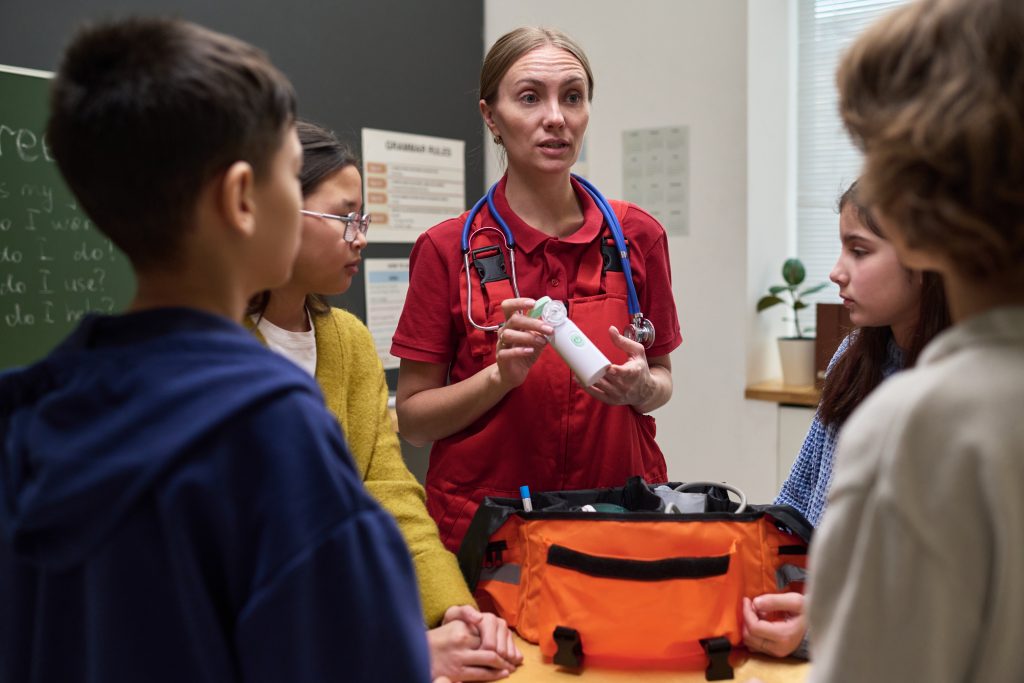
Schools in Exton, Malvern, and Phoenixville should invest in annual refresher training for nursing staff. Organizations like Lice Lifters of Chester County provide complimentary school presentations that cover identification, prevention, and myth-busting for staff and parent audiences.
Tools for Accurate Screening
A fine-toothed nit comb helps find lice that visual inspection alone can miss. Schools should equip nurses with proper metal nit combs, adequate lighting, and disposable gloves to maintain consistent screening quality.
What Role Should Parents Play in School Lice Management?
Effective school lice management requires parent cooperation. Schools should send home evidence-based information sheets rather than alarming notices that perpetuate stigma.
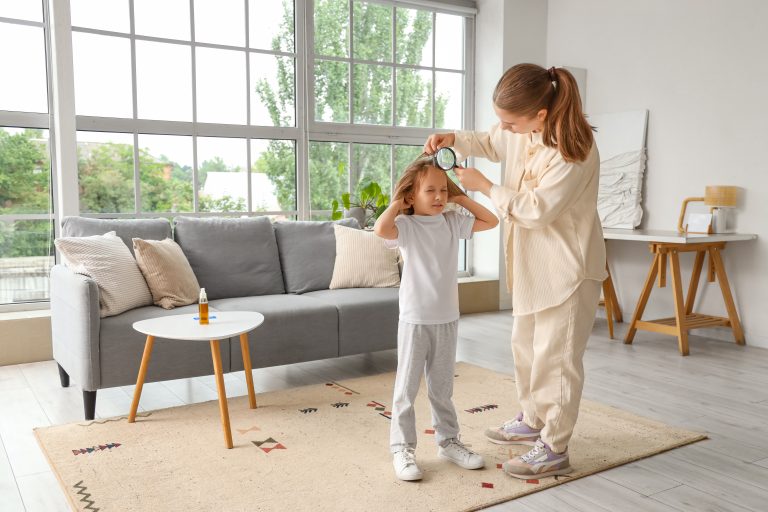
Parents should perform weekly head checks at home, especially when school is starting. Check the scalp behind the ears and at the nape of the neck using a fine-toothed comb on wet hair. If lice are found, prompt professional treatment prevents a second generation of lice. Learn how to check your child for lice.
How Can Schools Reduce Stigma Around Head Lice?
Stigma is one of the most damaging aspects of school lice outbreaks. The AAP emphasizes that head lice are not an indicator of poor hygiene, and children should never be shamed or singled out.
Schools should adopt private notification procedures, avoid sending children home mid-day when possible, and frame lice as a common childhood nuisance rather than a crisis. In Chester County, normalizing the conversation reduces both stigma and treatment delays. Parents may find it helpful to understand why lice is not a hygiene problem.
Language Matters in School Communications
Replace words like “infestation” and “outbreak” with neutral language such as “lice cases have been reported.” Avoid language that implies blame or uncleanliness.
Frequently Asked Questions
Should schools send children home immediately when lice are found?
The AAP and CDC recommend that children with lice finish the school day and begin treatment at home that evening. Same-day exclusion is not medically necessary and causes unnecessary academic disruption.
Are mass classroom lice screenings effective?
No. Targeted checks of close contacts when a case is confirmed are a better use of time.
How long should a child stay home after lice treatment?
The AAP says children should not miss school because of head lice. No-nit policies are not supported by current medical evidence.
Can lice spread through shared school supplies?
Transmission through shared items is rare. The CDC states that lice spread mainly through direct head-to-head contact. Shared helmets and hair accessories pose a small secondary risk.
What should a school nurse do when lice are reported?
Confirm the case using wet-comb inspection, notify the parents privately, check close contacts, and provide evidence-based information sheets. Document the case and schedule a follow-up check in 7 to 10 days.
Do Chester County schools follow AAP lice guidelines?
Policies vary by district. West Chester Area, Downingtown Area, and Coatesville Area school districts each maintain their own policies. Parents should contact their school nurse for the specific policy in effect.
How can parents advocate for better school lice policies?
Share the AAP’s 2022 clinical report on head lice with your school board. Request that policies align with CDC recommendations and eliminate no-nit exclusion rules.
Does Lice Lifters of Chester County offer school presentations?
Yes. We provide free educational presentations for schools, camps, and parent groups throughout Chester County covering identification, prevention, and treatment facts.
Frequently Asked Questions
Should schools send children home for lice?
Many health organizations, including the American Academy of Pediatrics, recommend that children with lice finish the school day and begin treatment at home. Immediate dismissal causes unnecessary disruption and stigma.
What is a no-nit policy?
A no-nit policy requires students to be completely free of nits (lice eggs) before returning to school. These policies are increasingly being abandoned because many nits are non-viable and the policy leads to excessive missed school days.
How should schools notify parents about a lice outbreak?
Schools should send a discreet, factual notification to all parents in the affected class. The notice should include basic lice facts, checking instructions, and treatment resources without identifying the affected student.
How often should schools screen for lice?
Routine mass screenings are no longer recommended by the CDC or AAP because they have not been shown to reduce lice incidence. Instead, parents should be encouraged to perform regular home checks.
Can lice spread in the classroom?
Direct head-to-head contact is the primary way lice spread. Shared coat hooks, cubbies, and group activities where heads touch create the highest risk. Lice do not jump or fly from student to student.
What should a school nurse do when lice are found?
The school nurse should confirm the case, notify the parents with treatment guidance, check close contacts if appropriate, and allow the child to stay through the end of the day. A follow-up check after treatment helps ensure resolution.