Why Do So Many Lice Products Fail to Deliver Results?
Customer satisfaction with purchased products remains remarkably and persistently low across all major brands. The fundamental underlying problem is evolved biological resistance. Super lice strains carrying genetic mutations conferring resistance to permethrin and pyrethrin have become common in some areas, which means products built on those ingredients can fail.
Products built on these now-compromised active ingredients, which include perennial best-sellers like Nix and Rid that dominate pharmacy shelf space, were genuinely effective when first introduced to consumers. Years of widespread repeated use across American households applied intense evolutionary pressure on lice populations, and the insects adapted through natural selection favoring resistant individuals who survived treatment and reproduced. For Chester County families in West Chester, Downingtown, and Exton, this biological reality means the products with the most prominent shelf placement and brand recognition at CVS, Walgreens, and Target may paradoxically be less likely to work where lice have become resistant.
The CDC still lists permethrin as an over-the-counter option in its general public-facing guidance documents, creating genuine confusion for parents who understandably trust government health recommendations when making treatment decisions for their children. The AAP notes that resistance to over-the-counter ingredients varies by region and that a pediatrician can help choose a treatment.
How Do the Major Lice Treatment Categories Compare?
Lice removal products fall into four distinct mechanism categories, and understanding the fundamental differences between them is essential for making an informed treatment choice that actually resolves the infestation rather than prolonging it through repeated ineffective attempts.
Neurotoxic products containing permethrin or pyrethrin attack the lice nervous system through a specific ion channel disruption mechanism. These were the undisputed gold standard treatment for decades but now face resistance in some areas.
Suffocation products containing dimethicone, mineral oil, or isopropyl myristate work by physically coating the lice body and blocking the spiracles through which they breathe. Suffocation products bypass genetic resistance because their killing mechanisms are physical rather than neurochemical.
Prescription Treatment Options
Ivermectin lotion (Sklice) and spinosad suspension (Natroba) represent the prescription tier of lice treatment.
Natural and Herbal Product Options
Tea tree oil, neem oil, and anise-based products occupy a rapidly growing market segment driven by consumer preference for natural ingredients. Natural products currently serve best as deterrent sprays for prevention rather than as primary treatments for active confirmed infestations where reliable complete eradication is the goal.
What Makes Professional Enzyme-Based Treatment Fundamentally Different?
Enzyme-based lice treatment represents a fundamentally different approach to complete lice elimination that addresses the root cause of most treatment failures at the biological level. Rather than targeting only the live adult lice and nymphs crawling on the scalp, the enzyme solution specifically dissolves the protein-based biological adhesive that cements every nit to its individual hair shaft. This directly addresses the primary cause of treatment failure and reinfestation: surviving eggs that resist all chemical and physical treatments and then hatch 7 to 10 days later to restart the active infestation cycle.
The treatment works regardless of genetic resistance mutations because it does not target the lice nervous system at all. Instead, it physically and enzymatically removes the entire infestation population, including all adult lice, developing nymphs, and cemented eggs, in a single comprehensive session lasting about one hour per person.
At Lice Lifters of Chester County, trained and experienced technicians apply the proprietary enzyme solution throughout the hair, then perform thorough strand-by-strand manual extraction under magnification, and verify complete clearance before the family leaves the clinic. This level of precision, expertise, and verification is functionally impossible to replicate in a home bathroom setting, which explains the dramatic performance gap between professional clinic results and even the best OTC product outcomes.
How Should Chester County Families Choose a Lice Treatment?
The optimal decision framework should prioritize three factors in order: efficacy of the treatment method, speed of resolution, and total cost including hidden expenses. Start by acknowledging that permethrin-based products can fail where lice have become resistant to them. If attempting home treatment as a first step, choose a dimethicone-based suffocation product and commit fully to the complete two-application protocol with thorough daily nit combing between applications.
For families who value single-visit guaranteed resolution and want to minimize total time invested, professional lice treatment offers the most reliable and time-efficient outcome available. The upfront cost of professional treatment is comparable to what the average family ultimately spends on failed OTC products combined with missed work days and extended treatment timelines.
Families across West Chester, Downingtown, Exton, Malvern, Phoenixville, and Coatesville can also factor in the 30-day guarantee offered by Lice Lifters of Chester County when evaluating their options. No OTC product, prescription medication, or home remedy offers this kind of outcome-backed financial assurance to consumers.
Product Selection Quick Reference Guide
- Best OTC option: Dimethicone-based products (LiceMD, Hedrin) with two applications
- Best prescription option: Spinosad (Natroba) requiring a doctors visit and prescription
- Best overall option: Professional enzyme-based treatment with 30-day guarantee
- Products to avoid first: Permethrin and pyrethrin products (Nix, Rid) since lice in some areas have become resistant to them
When to Escalate Directly to Professional Treatment
If even one complete OTC treatment cycle fails to resolve the infestation, do not continue cycling through additional products hoping for different results. Each failed treatment round adds direct cost, extends the active infestation period during which the population grows, and increases the cumulative risk of spreading lice to additional family members, classmates, and friends. The AAP advises checking with your child’s doctor before beginning a second or third medicine. Lice Lifters of Chester County welcomes families at any stage of their treatment journey and delivers proven results regardless of how many products have been tried unsuccessfully before the professional visit.
Frequently Asked Questions
What lice removal product works best in 2026?
Dimethicone-based OTC products have the highest over-the-counter efficacy with two applications. However, professional enzyme-based treatment is the most effective option overall.
Are natural lice treatments effective?
Natural lice treatments have not been proven to work. No natural product matches the proven efficacy of dimethicone-based or professional enzyme treatments.
Why do some popular lice products no longer work?
Permethrin and pyrethrin resistance is the primary reason. In some areas, lice have developed genetic resistance mutations. These products target the lice nervous system, and resistant lice are genetically immune to the killing mechanism.
Is Nix or Rid better for treating lice?
Neither performs well against modern resistant lice. Both contain neurotoxic ingredients that lice in some areas resist genetically. A dimethicone-based product like LiceMD offers better results because it uses physical suffocation rather than chemical neurological targeting.
Do lice combs work without any chemical treatment?
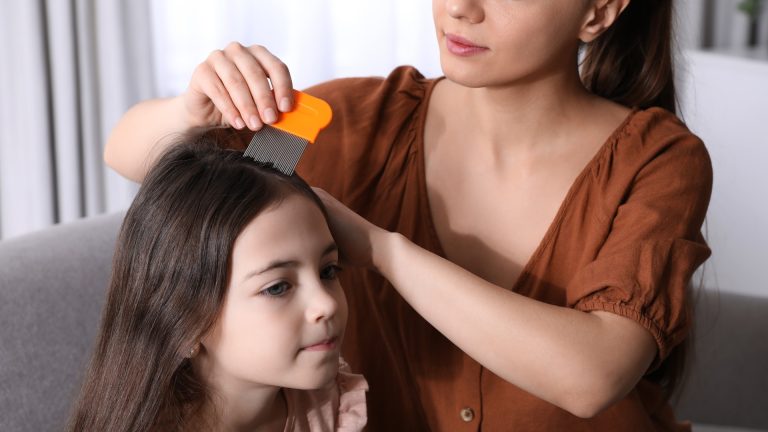
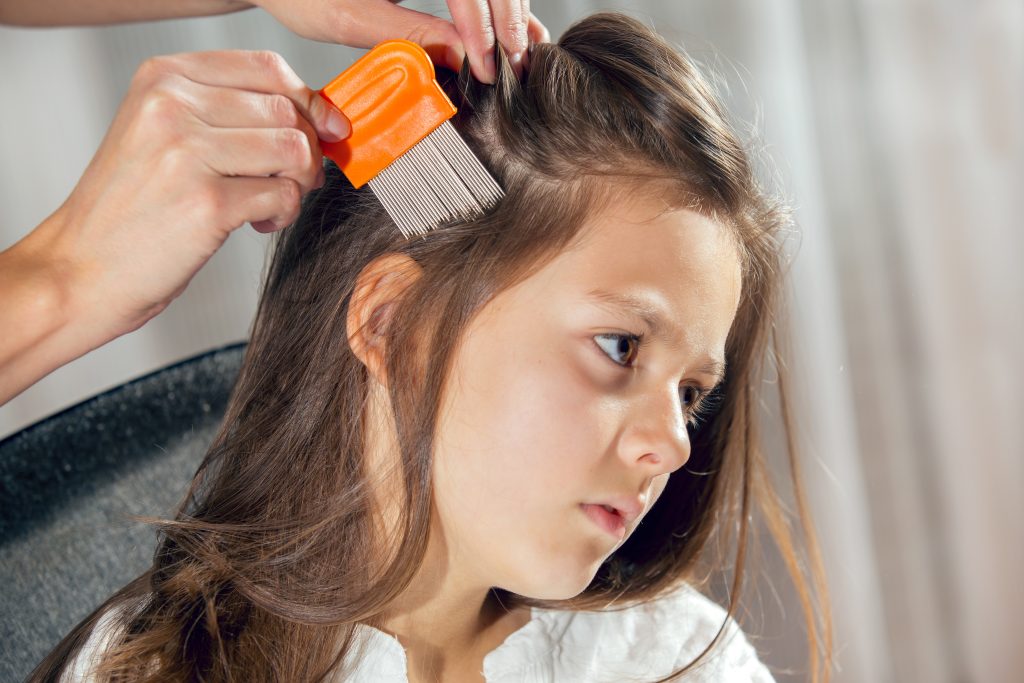
Combing alone can eventually work but requires extreme diligence and consistency. Combining combing with an effective product significantly improves outcomes.
How do enzyme-based lice treatments work?
Enzyme treatments dissolve the protein-based biological glue that cements nits to individual hair shafts. This allows complete verified removal of all eggs in a single session. Unlike chemical treatments targeting live lice only, enzymes address the nit adhesion problem that causes most treatment failures and reinfestations.
Can I safely mix different lice treatment products?
No. Combining different products can cause scalp irritation, chemical reactions, or reduced effectiveness. The CDC advises against using different head lice drugs at the same time unless a healthcare provider or pharmacist tells you to.