
For parents in West Chester, Downingtown, and Exton, finding nits after what you believed was a completed treatment is deeply frustrating but entirely explainable once you understand the biology involved.
Why Do Nits Survive Standard Over-the-Counter Lice Treatment?
Understanding why nits persist requires knowledge of both lice biology and the specific limitations of available OTC products. Most drugstore lice treatments are classified as pediculicidal, meaning they are designed to kill live adult lice, but they are not fully ovicidal, meaning they do not reliably kill all eggs. The CDC explains that some lice medicines kill lice but are not effective at killing eggs. That is precisely why every product label includes instructions for a mandatory second application 7 to 10 days later, timed to catch nymphs that hatch from surviving nits before they mature enough to lay eggs themselves.
The Super-Lice Resistance Factor Compounds the Problem
In some areas, lice populations carry knockdown resistance (kdr) gene mutations that make them resistant to pyrethroid-class chemicals. These resistant super lice are one reason OTC treatments can fail. Families in Malvern and Phoenixville who use permethrin-based products may be fighting lice that survive the chemicals in the bottle.
Incomplete Manual Nit Removal Allows the Cycle to Continue
Even when chemical products successfully kill a meaningful percentage of nits, any eggs that are not physically removed from the hair can still hatch if they were not fatally damaged by the treatment. Each missed viable nit has the biological potential to produce a new adult louse that lays eggs every single day, rapidly rebuilding the infestation from scratch.
Distinguishing Dead Nits From Live Ones Prevents Unnecessary Panic
Not every nit you discover after treatment is a cause for alarm. The AAP draws a clear clinical distinction between live, viable nits found within a quarter inch of the scalp surface and empty, already-hatched casings found progressively farther away as the hair shaft grows out over time. Knowing this difference prevents unnecessary retreatment of already-resolved cases and reduces the anxiety that Chester County parents feel during post-treatment monitoring.
How Many Retreatments Should Families Realistically Expect?
Retreatment for OTC products typically calls for one additional application about a week after the initial treatment. This timing is calculated to coincide with the hatching window for nits that survived the first application, catching newly emerged nymphs before they are old enough to lay eggs. If live lice are still present after completing this two-application cycle, the CDC says to consider an alternative medication.
At that decision point, families in Downingtown and Exton face a choice: try a third OTC product hoping for different results, pursue a prescription treatment through their pediatrician, or visit a professional clinic for guaranteed same-day resolution. Each failed OTC cycle wastes another 7 to 14 days plus additional product cost plus cumulative hours of combing effort. Our lice treatment cost comparison guide provides a transparent financial breakdown that helps Chester County families make this decision with full information.
What Does Truly Effective Retreatment Look Like in Practice?
Effective retreatment must address both live lice and viable nits simultaneously in a single session rather than relying on sequential chemical applications spaced days apart. At Lice Lifters of Chester County in Exton, our professional approach differs fundamentally from the OTC retreatment cycle:
- Enzyme-based solution application: Our proprietary formula dissolves the biological adhesive cement that anchors nits to individual hair shafts, making them easy to slide off and extract without damaging the hair itself. This addresses the nit problem directly rather than hoping a chemical will penetrate the protective egg shell.
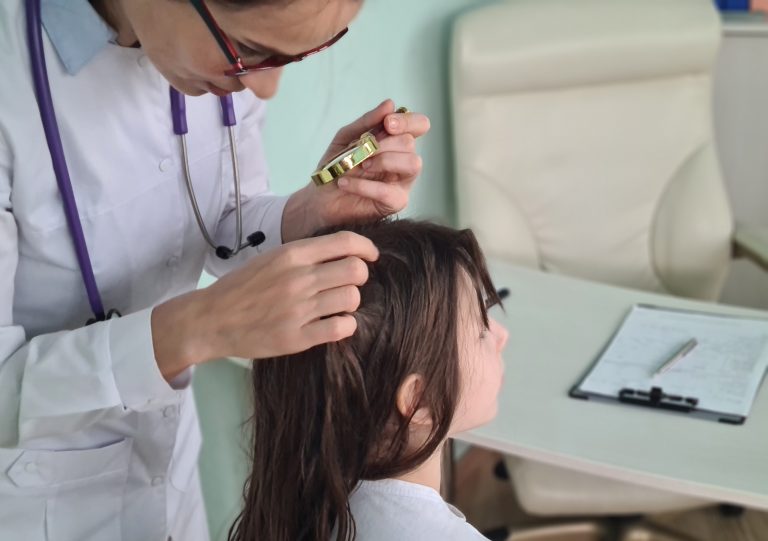
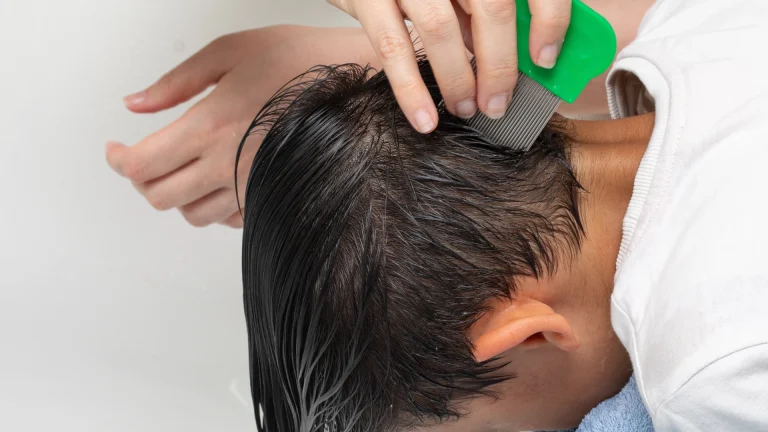
- Comprehensive manual extraction under magnification: Section-by-section combing with professional-grade micro-grooved stainless steel combs under optical magnification and high-intensity lighting ensures that every viable nit and every live louse is physically identified and removed from the hair.
- Guaranteed same-day clearance: Clients leave our clinic with no live lice and no viable nits remaining.
For families who have already invested time, money, and emotional energy into OTC products without achieving lasting clearance, professional treatment represents the logical and most cost-effective next step. Our professional treatment experience guide explains exactly what to expect during your first visit.
How Can You Reliably Tell Whether Retreatment Actually Worked?
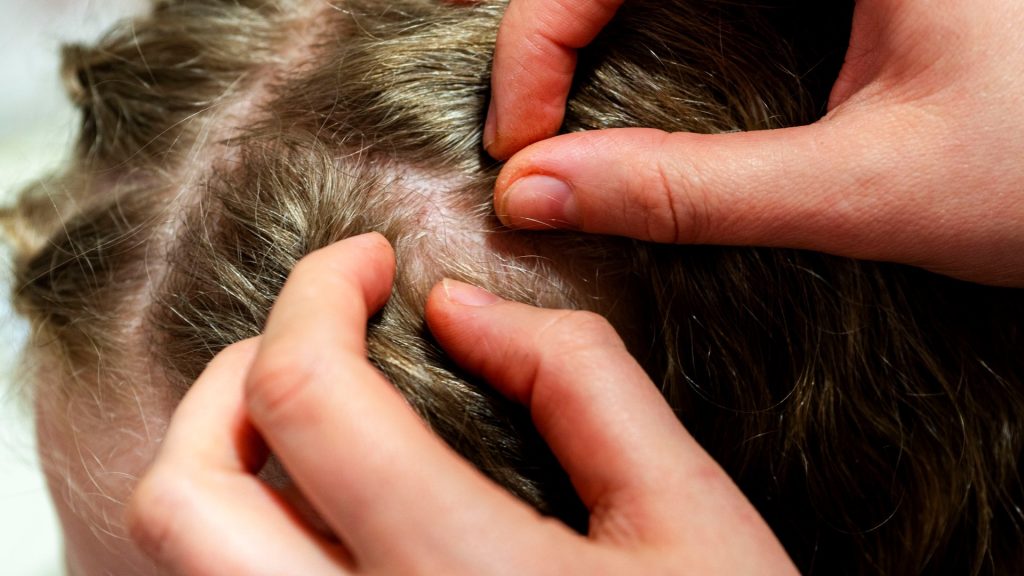
Verification is a critical post-treatment step that many families either skip entirely or perform too early to be meaningful. We recommend performing a thorough head check at 7 to 10 days after any treatment, timed to coincide with the hatching window for any nits that may have survived. During this verification check, you are looking for three distinct findings that each mean something different:
- Live crawling lice visible in the hair: This finding unambiguously indicates treatment failure. The current approach has not worked, and a different treatment strategy is needed immediately.
- New nits found within a quarter inch of the scalp: Fresh nits in this zone indicate that at least some eggs survived treatment and produced adult lice that are now actively laying the next generation. This also indicates treatment failure requiring a change in approach.
- Only empty casings found more than a quarter inch from the scalp: This finding indicates successful treatment. The casings are remnants of the original infestation that have moved away from the scalp as hair grew, and they contain no viable lice.
When Is It Time to Stop DIY Retreatment and Call a Professional?
Chester County families should transition to professional treatment when any of the following situations apply to their household:
- Live lice are still present after completing two full OTC treatment cycles following manufacturer instructions precisely.
- New nits appear within days of completing a treatment application, indicating resistant lice that survive the chemical.
- Multiple family members remain actively infested despite simultaneous treatment efforts across the household.
- The total infestation timeline has exceeded 3 weeks without clear resolution or steady improvement.
The biological math makes the urgency clear: a single female louse deposits new eggs every day. Families throughout Chester County, from West Chester to Phoenixville to Malvern, trust our clinic to end the retreatment cycle permanently in a single visit.
Frequently Asked Questions
Why am I still finding nits after completing treatment?
Most OTC lice products kill live adult lice but do not reliably destroy all nits. The CDC explains that some lice medicines kill lice but not eggs. Surviving nits hatch within 7 to 10 days, and super-lice resistance compounds the survival rate further.
Does finding nits after treatment mean the treatment failed?
Not necessarily. Dead nits remain cemented to hair shafts after successful treatment and must be manually removed. The critical distinction is location: nits found within a quarter inch of the scalp may be viable, while those farther away are almost always empty casings.
How many retreatments are considered normal?
Retreatment for OTC products typically calls for one additional application about a week after the initial treatment. If live lice persist after two complete treatment cycles, the CDC says to consider an alternative medication. Professional treatment is the most reliable next step.
Can professional treatment eliminate all nits in one visit?
Yes. Lice Lifters of Chester County uses enzyme-based solutions to dissolve nit adhesive followed by meticulous section-by-section manual extraction under magnification in a single appointment.
Should I switch to a different OTC product for retreatment?
Switching active ingredients may help if resistance to the first product was the issue. However, the AAP recommends consulting a healthcare provider before attempting a third OTC round, and professional treatment is a more reliable alternative.
How can I tell whether remaining nits are alive or already hatched?
Viable nits are found within a quarter inch of the scalp surface and appear yellowish-brown or tan. Empty already-hatched casings appear white or translucent and are typically found farther from the scalp as hair has grown out.
Is it normal to find nits weeks after successful treatment?
Yes. Empty nit casings remain attached to hair and move away from the scalp as hair grows. Finding casings more than half an inch from the scalp weeks after treatment is normal and does not indicate active infestation.
How Can You Tell the Difference Between New Nits and Old Nit Casings?
Viable nits are typically found within 6 millimeters of the scalp and appear dark brown or tan with a plump, teardrop shape. Hatched nit casings are white or clear, appear flat or collapsed, and are usually found farther from the scalp as hair has grown out. The distinction matters because finding only old casings after treatment may indicate success, while finding new nits near the scalp confirms active re-infestation. Parents in West Chester, Downingtown, and Exton who are unsure can schedule a professional nit check at Lice Lifters of Chester County for a definitive assessment using magnification and expert evaluation.
Why Do Over-the-Counter Products Require Retreatment but Professional Treatment Does Not?
Over-the-counter lice products primarily kill live lice through pesticide action but have limited efficacy against nits. Because nits hatch on a 7-to-10-day cycle, a second OTC application is needed to kill newly hatched lice before they can lay their own eggs. If even one application is mistimed or the product fails due to pesticide resistance, which occurs in some areas, the cycle continues. Professional treatment at Lice Lifters uses our enzyme-based solution and a careful comb-out to address both live lice and nits, eliminating the entire lifecycle in one session. This is why professional treatment requires no retreatment, and families from Malvern, Phoenixville, and across Chester County can consider the infestation resolved after a single visit.
Is it normal to find dead nits weeks after successful treatment?
Yes. Dead nit casings can remain cemented to the hair shaft for months after treatment because the adhesive lice use is extremely durable. These empty casings grow out with the hair at a rate of about half an inch per month. Finding nits far from the scalp is actually a sign that treatment worked, as live nits are always laid within 6 millimeters of the scalp surface.
How many times do you typically need to retreat with OTC products?
Most OTC lice products require at least two applications spaced seven to ten days apart. Professional treatment at clinics like Lice Lifters eliminates the retreatment cycle by using comprehensive approaches that address both lice and nits in a single visit.
Can nits hatch after chemical treatment?
Yes. The CDC says some lice medicines kill lice but are not effective at killing eggs. Manual nit removal is a helpful complement to any chemical treatment to prevent hatching and reinfestation.