
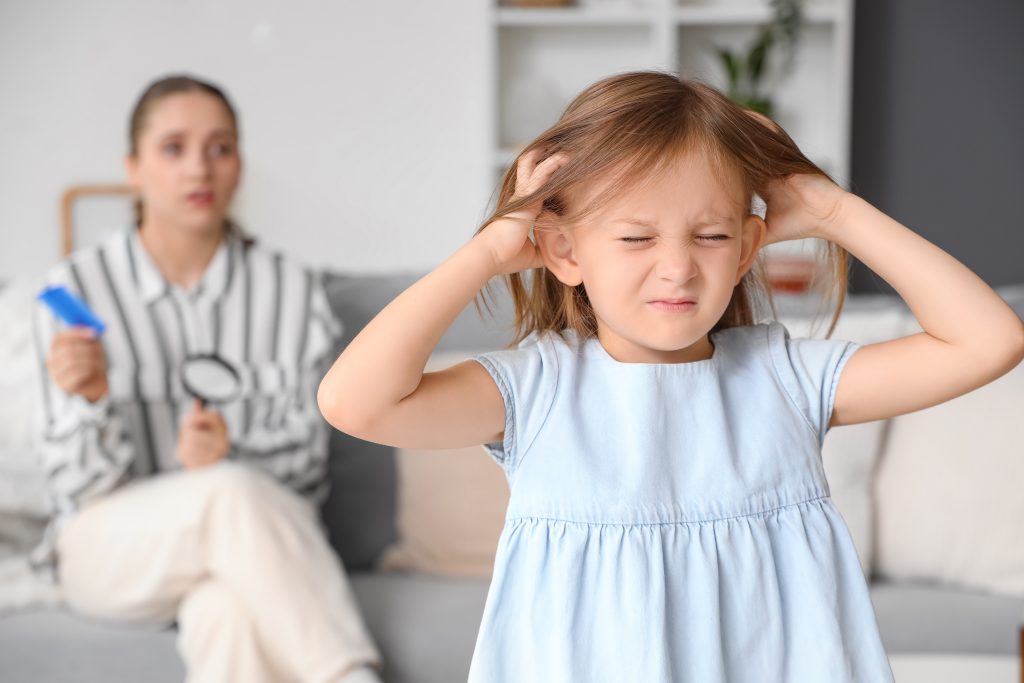
The CDC reports that itching caused by head lice is actually an allergic reaction to proteins in louse saliva. For families across West Chester, Downingtown, and Exton, knowing exactly which scalp symptoms point to lice and which do not can prevent weeks of misdiagnosis and unnecessary treatment for the wrong condition.
What Causes Scalp Itching and How Is Lice-Related Itching Different?
Scalp itching has dozens of potential causes including dry skin, seborrheic dermatitis, psoriasis, allergic contact dermatitis from hair products, and of course head lice. What distinguishes lice-related itching from other conditions is its highly specific location and characteristic timing pattern. According to the AAP, lice-related itch concentrates heavily behind the ears and at the nape of the neck.
The Allergic Sensitization Timeline Matters
During a first-ever lice infestation, the human immune system takes 4 to 6 weeks to sensitize to the allergenic proteins in louse saliva. This significant delay means that a child or adult in Malvern or Phoenixville could be carrying an active, reproducing lice population for over a month before any scratching behavior begins to alert them or their family. Repeat infestations trigger the familiar itching response much faster, because the immune system already recognizes the allergen.
Why Silent Infestations Are Especially Dangerous
Because some active lice cases produce no noticeable itching during the first several weeks, relying on scratching as the sole warning sign is dangerously unreliable. Proactive weekly head checks using proper technique are absolutely essential for catching infestations early, especially during peak school-year seasons.
Additional Symptoms Beyond Itching to Watch For
Beyond scalp itching, parents and adults should watch for a persistent tickling sensation of something moving through the hair, small red bumps on the scalp or upper neck, unusual difficulty sleeping since lice are most active during nighttime hours, and visible nits firmly glued to hair shafts within a quarter inch of the scalp surface.
How Do You Reliably Distinguish Lice From Dandruff or Dry Scalp?
This is by far the most common misidentification that families across Chester County encounter when investigating an itchy scalp.
The practical distinction is straightforward once you know what to look for. Dandruff flakes are irregularly shaped, vary in size, and brush away from the hair easily when touched or combed. Nits are uniformly teardrop-shaped, consistently sized at about 0.8 millimeters, and firmly cemented to the hair shaft with a biological glue that resists casual removal. If a white speck slides off the hair easily when you try to move it, it is almost certainly not a nit. For a thorough visual comparison with photographs, read our comprehensive lice versus dandruff identification guide.
What Are the Definitive Visual Signs of an Active Lice Infestation?
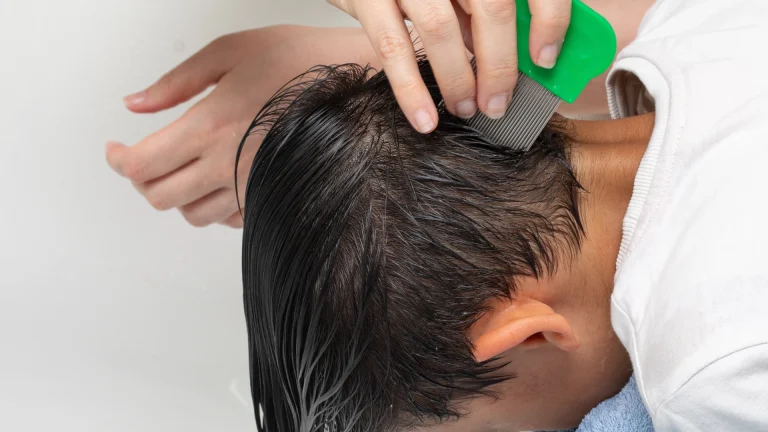
Beyond itching and other subjective symptoms, visual confirmation using proper tools remains the gold standard for lice diagnosis. A fine-tooth nit comb used on wet, conditioned hair under the brightest available light helps detect lice at home.
- Live lice: Adult lice are tan, brown, or grayish-white insects approximately the size of a sesame seed. They move quickly through hair and avoid light, making them surprisingly difficult to spot without a systematic combing approach.
- Nits (lice eggs): Yellowish-white or light brown oval eggs attached at a consistent angle to individual hair shafts, most heavily concentrated in the areas behind the ears and at the nape of the neck where feeding occurs most frequently.
- Empty nit casings: After nymphs hatch, the remaining eggshells appear white or translucent and are found progressively farther from the scalp as the hair shaft grows outward over time.
- Louse excrement: Tiny dark brown or black specks visible on the scalp surface or deposited on pillowcases and pillow shams, sometimes the very first visual clue that alerts parents to investigate further.
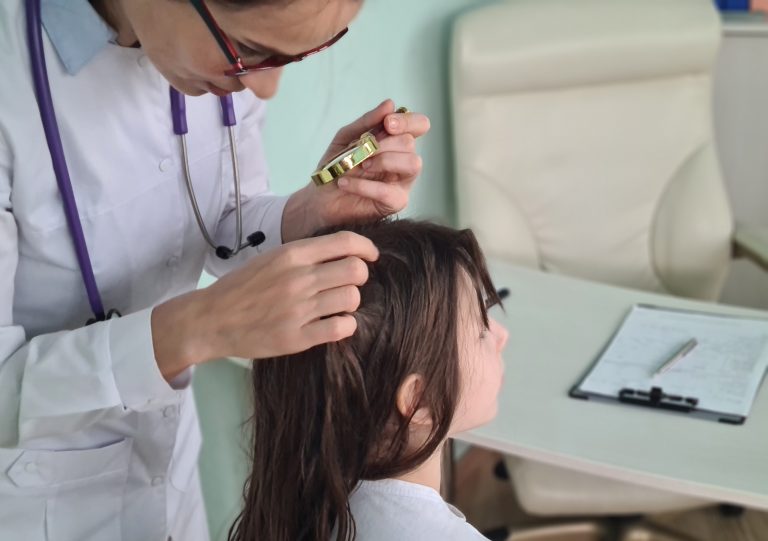
At Lice Lifters of Chester County, we use professional-grade optical magnification and high-intensity focused lighting to detect what the naked eye routinely misses during home inspections. Families from Downingtown and Coatesville rely on our thorough screening process for a definitive, no-doubt answer.
When Should You Stop Self-Diagnosing and Seek Professional Help?
Visit a professional lice treatment clinic if any of the following situations apply to your family:
- Scalp itching has persisted for more than 7 consecutive days with no clear dermatological explanation from your primary care provider.
- You have found what appear to be nits or live lice during a careful self-check at home.
- Over-the-counter lice treatment products have failed to resolve the problem after two complete applications following label directions, which can be a sign of lice resistance.
- Multiple family members are experiencing simultaneous scalp itching or scratching behavior.
Our Exton clinic provides same-day professional screenings and immediate treatment when lice are confirmed. Whether you are coming from Exton, Malvern, Phoenixville, or anywhere else in Chester County, we can typically accommodate you within 24 hours of your call. Learn about the complete professional screening and treatment process in our professional lice treatment overview.
How Can You Prevent Lice-Related Itching Before It Ever Starts?
Lice Lifters of Chester County recommends the following prevention habits for all families across Chester County during every season of the year:
- Perform thorough weekly head checks on all school-age children during the academic year, especially immediately after receiving notification that a classmate has been diagnosed.
- Teach children to consistently avoid head-to-head contact during playground play, sporting activities, and selfie-taking with friends.
- Keep long hair secured in braids, buns, or tight ponytails during the school day.
- Establish a firm household rule against sharing hats, helmets, hair accessories, earbuds, and headphones with classmates, teammates, or friends.
- Request that your child’s school or daycare store coats, hats, and scarves on individual hooks rather than in shared bins or piled together on shelves.
Prevention combined with consistent early detection is the most reliable way to avoid the misery and disruption of a full-blown lice infestation. For additional seasonal prevention strategies, explore our comprehensive year-round prevention guide.
Frequently Asked Questions
Does an itchy scalp always mean lice?
No. Dry scalp, seborrheic dermatitis, eczema, psoriasis, and allergic contact reactions can all cause persistent itching. However, itching that concentrates specifically behind the ears and at the nape of the neck is the most characteristic lice symptom.
How soon after getting lice does itching start?
During a first-time infestation, itching can take 4 to 6 weeks to develop because it is an allergic sensitization response to louse saliva proteins. Subsequent infestations typically trigger familiar itching much sooner.
Can you have lice without any itching at all?
Yes. The CDC notes that some people with active head lice do not experience noticeable itching, especially during the early weeks of a first infestation. Visual detection through regular head checks is far more reliable than waiting for symptoms.
What does a lice bite look like on the scalp?
Lice bites appear as small red bumps, often found at the nape of the neck, behind the ears, or along the hairline near the temples. They may closely resemble mosquito bites and can become inflamed or infected from persistent scratching.
How can I tell the difference between lice and dandruff?
Dandruff flakes are irregularly shaped and brush away easily when touched. Nits are uniformly teardrop-shaped, firmly cemented to the hair shaft with biological glue, and resist removal when you try to slide them off.
When should I see a professional for a persistently itchy scalp?
If itching persists for more than one week without a clear cause, if you find nits or live lice during a self-check, or if over-the-counter treatments have failed after two applications, it is time to visit a professional clinic like Lice Lifters of Chester County.
Can head lice cause a rash on the neck?
Yes. Lice bites and the resulting allergic reaction can cause a red, bumpy rash on the back of the neck and behind the ears. Persistent scratching can worsen the rash and create secondary skin irritation.
Can You Have Lice Without Any Itching at All?
Yes. Some people with head lice may not have symptoms, particularly with a first or light infestation. For families in Chester County, this underscores the importance of visual head checks rather than relying solely on the presence or absence of itching. Lice Lifters of Chester County offers professional head screenings that can definitively identify even asymptomatic infestations for families in Exton, Malvern, Phoenixville, and surrounding communities.
Should I Check My Child’s Head Every Week During Lice Season?
Regular head checks are a good idea during periods of known lice activity, particularly after sleepovers, camp sessions, and the back-to-school season. Weekly checks using a fine-toothed nit comb under good lighting can catch infestations early, before they become established and harder to treat. Parents in West Chester, Downingtown, and Coatesville can make head checks a routine part of bath time to normalize the process and reduce any stigma. If you discover nits or live lice during a home check, professional treatment at Lice Lifters ensures complete elimination in a single visit.
How long does it take for lice itching to start after infestation?
According to the CDC, itching from a first-time lice infestation may not begin for four to six weeks because the immune system needs time to develop sensitivity to louse saliva. During subsequent infestations, itching can start much sooner.
Can stress or anxiety cause scalp itching that mimics lice?
Yes. Psychogenic itching can mimic the sensation of lice. However, a professional head check can rule out lice before attributing itching to stress alone.
Should I use a magnifying glass when checking for lice at home?
A magnifying glass can be helpful because nits are only about 0.8 millimeters long, according to the AAP. A fine-tooth nit comb used on wet, conditioned hair under bright light helps detect lice at home. If you are unsure of your findings, Lice Lifters of Chester County offers professional head checks that provide a definitive answer within minutes.