
How Frequently Should You Check for Lice During a Known Outbreak?
When a school or daycare in Chester County sends home a lice notification, the recommended screening frequency is every 2 to 3 days for at least 14 days after the last reported case. This interval matches the lice life cycle. Nits take 7 to 10 days to hatch, and newly hatched nymphs take another 9 to 12 days to mature and begin laying eggs. A check every 2 to 3 days ensures you catch any infestation before it reaches the reproductive stage.
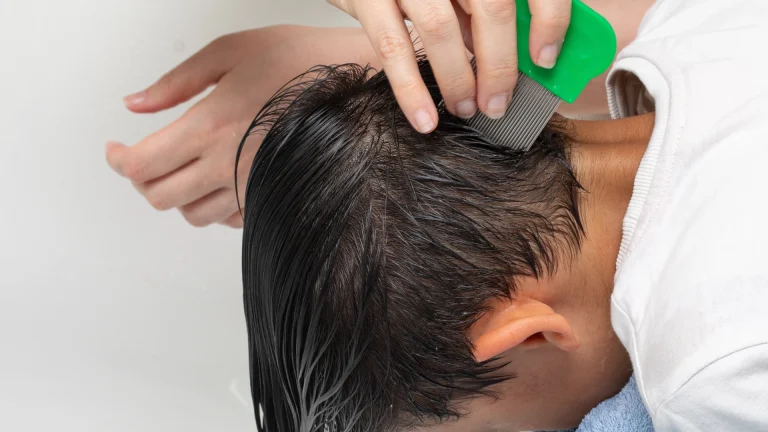
Wet-combing helps find lice and nits at home. It is more sensitive than visual inspection alone. Lice Lifters of Chester County teaches every family in Downingtown and Malvern proper wet-comb technique during their visit.
Consistency in screening also builds familiarity with what is normal for each child’s scalp. Parents in Coatesville and Malvern who perform regular checks learn to distinguish between dandruff, product residue, and actual nits more quickly, reducing false alarms and ensuring that real infestations are caught at the earliest possible stage when treatment is fastest and simplest.
Why Visual Checks Alone Miss Early Infestations
Many parents rely on visual inspection, parting the hair and looking for movement or nits. This approach can miss early-stage cases. Nymphs that have just hatched are nearly translucent and smaller than a pinhead. Adult lice are fast-moving and photophobic, meaning they scurry away from light within seconds of hair being parted. For families in West Chester and Downingtown managing an active outbreak, relying on a quick look-through provides a false sense of security that allows cases to slip through and prolong the outbreak cycle.
What Makes the 2-to-3-Day Interval Important?
Checking less frequently creates gaps in detection. A nit that hatches on day 8 after exposure produces a nymph too small to spot easily. By day 11 or 12, that nymph is larger and appears on the comb. If you wait a full week between checks, you miss the window when intervention is simplest.
What Is the Best Technique for Checking at Home?
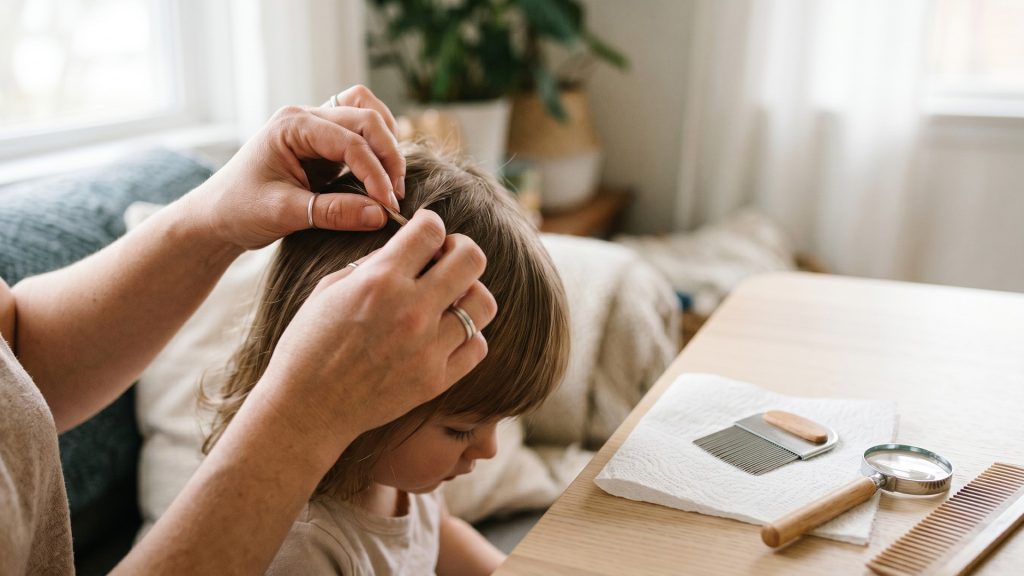
The wet-comb method requires three things: a fine-toothed metal nit comb, white conditioner or detangler, and a bright light source. Saturate dry hair with conditioner, then divide it into small sections using hair clips. Comb from the scalp to the tip in a single slow stroke, wiping the comb on a white paper towel or tissue after each pass.
Focus on the areas behind the ears and at the nape of the neck first. These warm, sheltered zones are where lice concentrate. A thorough check takes 10 to 15 minutes for shoulder-length hair. For more on proper technique, see our article about mastering the art of nit and lice extraction.
How to Tell the Difference Between Lice, Nits, and Debris
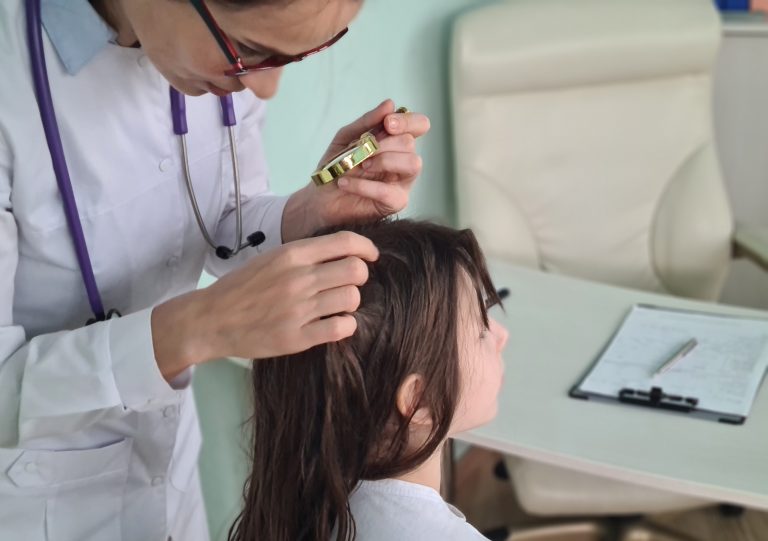
Not everything a comb pulls out is lice. Dandruff flakes are white and fall off easily. Hair casts are translucent and slide along the shaft. Nits are oval, glued to the hair, and resist removal. Live lice are tan to grayish-brown, about the size of a sesame seed, and will try to crawl away from light. Nymphs are smaller and nearly translucent. A magnifying glass can help distinguish questionable findings. Our detailed guide on lice vs dandruff identification covers these differences in depth.
Should You Check Everyone in the Household?
Yes. Whole-household screening is essential when any member has confirmed lice. Screening only the child who brought home the school notice and ignoring other family members is a common reason for persistent household outbreaks.
The CDC says to check all household members and other close contacts for head lice.
Adults often dismiss their own itching as stress or dry scalp. Parents in West Chester and Phoenixville should screen themselves using the same wet-comb method. If self-screening is difficult with long hair, Lice Lifters of Chester County offers quick professional head checks that take just 15 minutes and provide definitive results for every family member.
When Can You Stop Checking After an Outbreak?
The safe window to stop heightened screening is 14 days after the last known case in the outbreak. This covers the full nit-to-adult lifecycle.
After the outbreak period ends, transitioning to a monthly maintenance check is a sound practice. Families in Exton, Coatesville, and Downingtown who maintain a monthly screening habit catch future infestations early, before they spread to other household members or classmates.
Setting Up an Effective Home Screening Station
Consistency is easier when the screening environment is standardized. Designate one spot in the home, ideally a bathroom or kitchen with bright overhead lighting, as the permanent lice-check station. Keep a metal nit comb, a bottle of white conditioner, paper towels, and a magnifying glass in a dedicated container. Having everything ready eliminates setup time and makes it more likely the family will complete each scheduled check. Families in Exton and Phoenixville who establish this routine report that checks become a quick, stress-free part of bath time rather than an anxiety-inducing event.
Post-Treatment Monitoring Schedule
If your child has been treated for lice, the monitoring schedule is more intensive than general outbreak screening. Check every 2 days for the first week after treatment, then every 3 days during week two. This schedule catches any nits that survived treatment and hatched during the 7-to-10-day window. Professional clinics like Lice Lifters of Chester County provide a printed follow-up calendar with every visit to keep Malvern and West Chester families on schedule.
What Tools Give the Most Accurate Lice Checks?
The metal nit comb is the gold standard. Fine-toothed metal combs, such as the Nit Free Terminator or the LiceMeister, are good options.
Electronic lice detectors use a small electrical charge to identify live lice on dry hair. They are useful as a quick screening tool but should not replace wet-combing for thorough checks. Use an electronic detector for fast daily scans and wet-combing for the definitive check every 2 to 3 days.
Keeping a Detection Log
Recording each check result on a simple log helps track progress and gives your clinic useful information if professional treatment becomes necessary. Note the date, whether live lice or nits were found, their location on the scalp, and the estimated count. This log helps Lice Lifters of Chester County technicians assess infestation age and severity during appointments for families across Phoenixville, Coatesville, and the broader Chester County area.
Frequently Asked Questions
How often should you check for lice during an outbreak?
Check every 2 to 3 days for at least 14 days after the last reported case. This interval matches the lice life cycle and catches infestations before they reach the reproductive stage.
Is wet-combing better than visual lice checks?
Yes. Wet-combing helps find lice and nits that a quick visual check can miss.
Should adults check themselves for lice?
Yes. Adults in affected households can also have lice. Use the same wet-comb method or visit a professional clinic for a 15-minute head check.
When can you stop checking for lice after an outbreak?
Stop heightened screening 14 days after the last known case if no live lice or viable nits are found across five consecutive checks. Then transition to monthly maintenance screenings.
What is the best lice comb for detection?
Metal nit combs, such as the Nit Free Terminator or LiceMeister, are good options.
How long does a lice check take?
A thorough wet-comb check takes 10 to 15 minutes for shoulder-length hair. Focus on behind the ears and the nape of the neck, where lice tend to concentrate.
Should you keep a lice detection log?
Yes. Recording the date, location of findings, and count helps track progress and gives clinicians useful information if professional treatment becomes necessary.